Selling a House With Unpermitted Work in Lakewood, CO: Your Options Before Listing
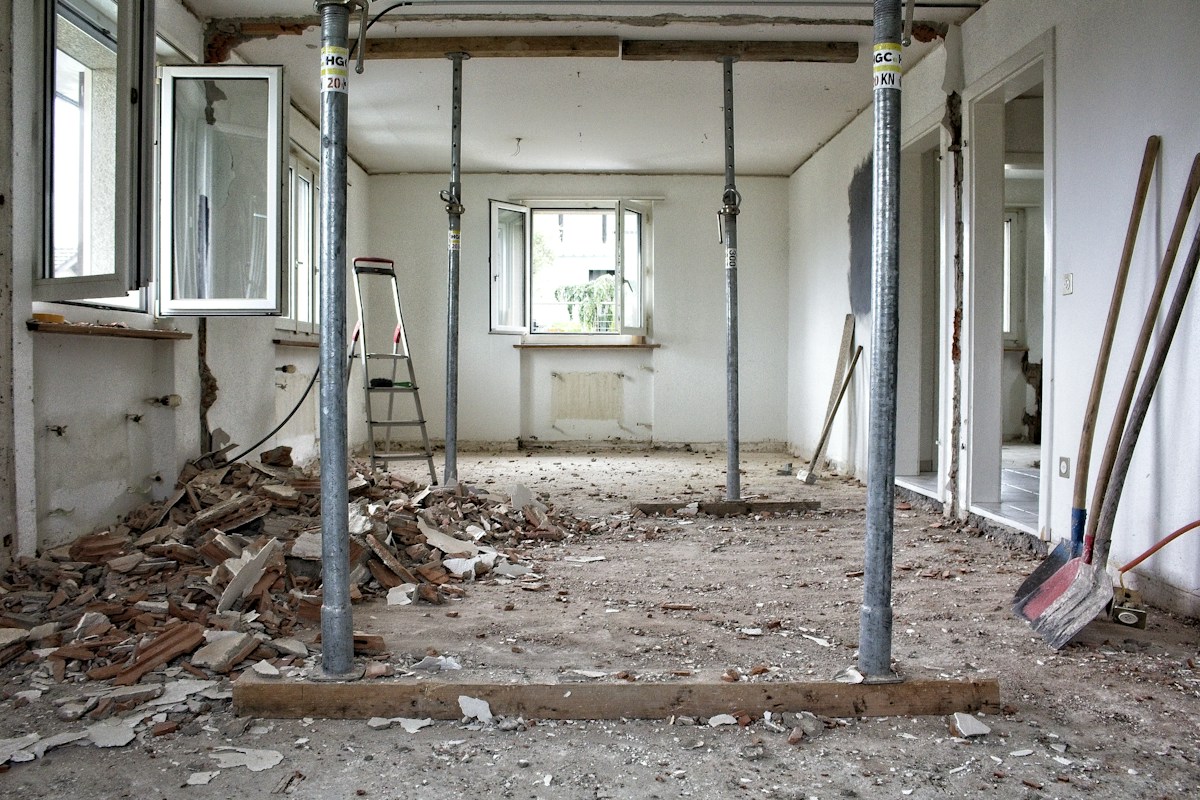
Selling a house with unpermitted work in Lakewood, CO is common, and it is manageable if you deal with it before buyers find it. Your three main options are to permit the work after the fact, disclose it and price accordingly, or offer a credit and let the buyer decide. Which one fits depends on what was built, how it was built, and how much time you have.
Unpermitted work shows up in more homes than most sellers expect: a finished basement, a converted garage, a deck, a water heater swap, an electrical panel upgrade. Buyers, lenders, appraisers, and inspectors all notice it. Here is how to handle it without losing the deal.
What Counts as Unpermitted Work in Lakewood
Unpermitted work is any construction or system change that required a permit from the City of Lakewood and never got one, or got one that was never closed out with a final inspection. An open permit with no final sign-off creates the same problem as no permit at all.
Projects that typically require a permit include basement finishes, additions, new bedrooms or bathrooms, structural changes, new electrical circuits, plumbing relocation, furnace and water heater replacement, and decks above a certain size. Cosmetic work like paint, flooring, and most cabinet swaps does not.
If you bought the home with the work already done, you are still the one answering questions about it at resale. Previous owners do not carry the problem forward for you.
Why It Matters When You Sell
Colorado sellers must disclose known material defects, and the standard seller's property disclosure asks about work done on the property. If you know the work was done without a permit, you should say so. Hiding it invites a claim after closing.
Even without a claim, unpermitted work affects the transaction in three ways.
Buyer inspections and negotiation
Inspectors flag visible issues like undersized wiring, missing egress windows, or improper venting. Once the report lands, the buyer asks for repairs, a credit, or a lower price. The earlier you know what is in the walls, the less this costs you.
Appraisals and square footage
Appraisers often will not count unpermitted finished space as living area. A finished basement that adds real value in your mind may be valued as unfinished storage on paper. That gap can show up as a low appraisal, which is its own problem to solve.
Financing and insurance
Some lenders and insurers ask questions when they learn work was not permitted, especially for electrical, gas, or structural items. Buyers using FHA or VA loans face additional property condition standards, so safety-related items carry more weight.
How to Find Out What Was Permitted
Start with the City of Lakewood building division. Permit history for your address is public record, and you can see what was applied for, what was finalized, and what was left open. Check Jefferson County records too if you are outside city limits or in an unincorporated pocket.
Compare the permit history to what is physically in the house. Look at your basement bedrooms, garage conversions, additions, and any mechanical upgrades. Old listing photos and your own purchase paperwork can help date the work.
If you find gaps, you now have a decision to make, and you are making it before a buyer's inspector does.
Your Three Options for Unpermitted Work
Option 1: Get an after-the-fact permit
You apply for a permit for work already completed, and the city inspects it. If it meets code, you get a final and the problem is gone. If not, you correct it first. This is the cleanest outcome, and it gives buyers and appraisers documentation they can rely on.
The tradeoffs are time, cost, and the chance that inspectors require opening walls or upgrading items to current code. Ask the building division what the process looks like for your specific project before you commit, and get a contractor bid for any likely corrections.
Option 2: Disclose and price it in
You list the home as is, disclose the unpermitted work in writing, and price the property based on what the permitted portion is worth. This works well for smaller items, and for homes where the buyer pool is investors or renovators who plan to redo the space anyway.
The risk is that some buyers walk, some lenders hesitate, and the ones who stay will negotiate. Your pricing has to reflect that reality, not the value of the finished space.
Option 3: Offer a credit or escrow arrangement
You agree to a credit at closing so the buyer can permit or correct the work after they own the home. This keeps your timeline intact, though lender rules on credits and the buyer's comfort with open-ended work both come into play.
Safety Items Come First
Not all unpermitted work is equal. A homemade deck rail is a different problem than a wood stove or a gas line connection done without inspection. Anything involving electrical, gas, structural support, or egress should get a licensed professional's eyes before you list.
Fixing a safety item early costs you money once. Leaving it for the inspection costs you money, leverage, and often the buyer.
How to Position the Listing
Work with your agent to decide what the listing says and what the price assumes. A permitted bedroom and an unpermitted basement bedroom are not the same product, and the listing should not blur them.
Accurate square footage, honest descriptions, and complete disclosures protect you. In a market where buyers have more choices, a clean file and a clear story keep deals together. Review comparable sales for homes with similar finished space, and use averages from recent closings, not a single standout sale, to set expectations.
Frequently Asked Questions
Do I have to disclose unpermitted work when selling in Lakewood, CO?
If you know about it, yes. Colorado sellers must disclose known material facts about the property, and the property disclosure form asks about work done. When in doubt, disclose in writing and talk to your agent or a real estate attorney.
Can I sell a house with an unpermitted basement finish?
Yes. Many sellers do. Expect buyers to question the space, and expect an appraiser to potentially value it differently. You can permit it first, sell as is at an adjusted price, or offer a credit.
Will unpermitted work stop a buyer from getting a loan?
Not automatically. It depends on the loan type, the lender, and what the work involves. Safety-related issues are the ones most likely to cause trouble with FHA and VA financing.
How do I check permit history on my Lakewood home?
Contact the City of Lakewood building division and request the permit history for your address. If you are in unincorporated Jefferson County, check with the county instead.
Is it better to permit the work or sell as is?
It depends on the scope. Small, low-risk items are often fine to disclose and sell as is. Larger or safety-related work is usually worth permitting or correcting first, because it expands your buyer pool and protects your price.
If you're thinking about selling in Lakewood, call or text me at 720-625-0224 and we'll map your timing. Justin Buller | Realtor, Real Broker | 720-625-0224


