Selling a House With Tenants in Lakewood, CO: Leases, Notice, and Showings
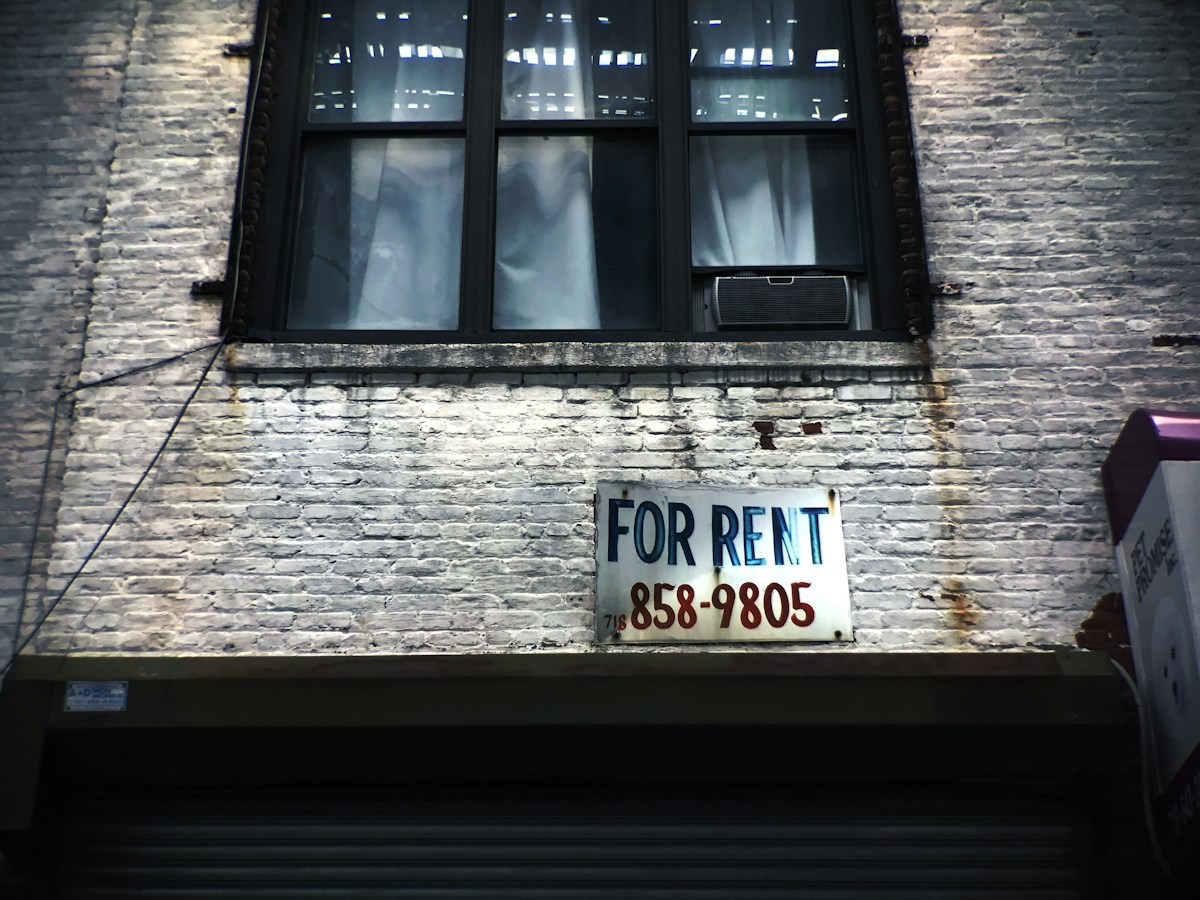
Selling a house with tenants in Lakewood, CO is doable, but the lease, Colorado's for-cause eviction law, and your buyer pool all shape how it plays out. You can sell with the tenant staying in place, wait for the lease to end, or negotiate an earlier move-out.
The right path depends on your lease terms, who you expect to buy, and how much control you want over showings and condition. Here's how each piece works for Lakewood landlords.
Can You Sell a House With Tenants in Lakewood, CO?
Yes. Colorado doesn't require a rental to be vacant before you list it, and a sale doesn't cancel an existing lease. When a buyer purchases a tenant-occupied home, they generally take title subject to the lease in place.
That means a tenant with a fixed-term lease typically stays through the end of that term, and the buyer becomes the new landlord at closing. If your tenant is month-to-month, the timeline depends on proper notice, which is where newer state law comes in.
Before you call a listing agent, pull three things: the current lease, any renewals or addenda, and a record of the security deposit. Those documents decide most of what follows.
How Colorado's For-Cause Eviction Law Affects Sellers
In April 2024, Colorado passed HB24-1098, which requires landlords to have a defined reason to evict a tenant or decline to renew a lease. Selling the property counts as one of those reasons, but it comes with conditions.
The 90-Day Notice Requirement
If you plan to take the home off the rental market to sell it, you generally need to give the tenant 90 days' written notice. The move-out date can't land before the current lease term ends.
The law also limits re-renting. If you give notice to sell and then change course, you can be barred from listing the home for rent for 90 days after the tenant's required move-out date, unless you can show the home was actually listed for sale.
Which Rentals Are Exempt
Not every rental falls under the for-cause rules. Exemptions include certain owner-occupied or owner-adjacent single-family homes, duplexes, and triplexes, short-term rentals, and newer tenancies where the tenant hasn't been in place long enough for the protections to apply.
The exemptions are specific, so check them against your situation. A short consultation with a Colorado landlord-tenant attorney before you serve notice is cheap insurance against a notice that doesn't hold up.
Sell Occupied or Vacant? Know Your Buyer Pool
This is the biggest strategic decision when selling a rental property in Lakewood. A tenant-occupied home appeals mainly to investors, while a vacant home opens the door to owner-occupants who want to move in.
Selling to Investors With the Tenant in Place
Investors look at rent, lease terms, tenant history, and condition. A tenant paying on time at or near market rent is an asset to this buyer, and keeping that income flowing reduces your carrying costs while the home is on the market.
Expect investors to scrutinize the numbers harder than an owner-occupant would. Have a rent ledger, a copy of the lease, and a list of recent repairs ready before you list.
Selling to Owner-Occupants After Move-Out
Most Lakewood buyers are owner-occupants, and many need a home they can move into at closing. An owner-occupied loan expects the buyer to live in the home, which doesn't work if a lease runs for another eight months.
Selling vacant also lets you repaint, deep clean, fix wear items, and stage. For a dated ranch near Belmar or a condo off Wadsworth, that prep changes how buyers see the home. The tradeoff is lost rent and carrying costs while it sits empty.
Handling Showings With Tenants in Place
Showings are where tenant-occupied sales most often go sideways. Your lease controls your right of entry, so start there. Many Colorado leases call for advance written notice before entry, and 24 hours is the common standard.
Talk to your tenant before the sign goes up. Explain the timeline, how showings will be scheduled, and what you need from them. A tenant who feels blindsided rarely keeps the home show-ready.
A few practices help: group showings into set windows, use a lockbox with clear notice, and consider a rent credit during the listing period in exchange for cooperation and a clean home. Schedule listing photos right after a professional cleaning so the home presents well online.
Leases, Rent, and Security Deposits at Closing
When a tenant stays through closing, the lease and the money tied to it move to the buyer. The purchase contract should spell out exactly how that happens.
Rent for the month of closing is typically prorated between seller and buyer. The security deposit is usually transferred to the buyer, who takes on responsibility for it, or returned to the tenant under the lease and Colorado law. Either way, document it and notify the tenant in writing.
Buyers will want copies of the lease, any amendments, the deposit amount, and a rent history during due diligence. Colorado's Income-Residential contract is often used for investment property sales and addresses leases and rents directly. Have your paperwork organized before the first offer arrives.
Cash for Keys: Negotiating an Early Move-Out
If you need the home vacant before the lease ends, the cleanest route is often a mutual agreement. A cash-for-keys deal pays the tenant to move out by a set date and leave the home in agreed condition.
Typical terms cover the move-out date, the payment amount, when it's paid (usually at key handoff after a walkthrough), the expected condition of the home, and how the security deposit is handled. Put it in writing and have both parties sign.
The math is straightforward. Compare the payment to the rent you'd collect by waiting, plus the price difference you expect from selling vacant to a wider buyer pool. In many cases, a few thousand dollars to get the home vacant and prepped is the better trade.
Pricing a Tenant-Occupied Home in Lakewood
Price follows the buyer. If you're selling to investors with a tenant in place, both your comps and your rent matter, and buyers will run the return. If you're selling vacant to owner-occupants, you're competing against every move-in-ready home in the neighborhood.
Start with average sale prices for similar homes sold recently in your part of Lakewood, then adjust for condition. A tenant-worn home shown with clutter will usually land below the average for updated homes nearby, while a vacant, cleaned, and touched-up home has a better shot at the top of that range.
Don't anchor on price per square foot. Condition, layout, lot size, garage, basement finish, and mountain views drive what Lakewood buyers pay far more than a per-foot number.
Frequently Asked Questions
Can I sell my rental in Lakewood, CO if the tenant has a lease?
Yes. The sale doesn't end the lease. The buyer typically takes the property subject to the existing lease and becomes the landlord at closing, unless you and the tenant agree to end it early.
How much notice do I need to give a tenant before selling in Colorado?
For tenancies covered by the for-cause law, you generally need 90 days' written notice to end the tenancy so you can sell, and the move-out date can't fall before the lease term ends. Exempt rentals follow different rules, so confirm which applies before serving notice.
Do I have to let buyers tour the home while it's occupied?
Access is governed by your lease, and most leases require advance notice before entry. Clear communication and a set showing schedule keep the tenant cooperative and the home presentable.
What happens to the tenant's security deposit when I sell?
It's usually transferred to the buyer at closing, who then becomes responsible for returning it, or it's returned to the tenant under the lease and Colorado law. Document the transfer and notify the tenant in writing.
Is it better to sell a rental occupied or vacant in Lakewood?
It depends on your buyer. Occupied homes appeal mainly to investors who value the income. Vacant homes reach owner-occupants, who make up most of the Lakewood market and typically pay more for a move-in-ready home.
Plan the Sale Around the Lease
Selling a tenant-occupied home in Lakewood comes down to three decisions: who you're selling to, when the tenant moves, and how you'll handle access in the meantime. Get those right early and the rest of the sale runs like any other listing.
This article is general information, not legal advice. Talk with a Colorado real estate or landlord-tenant attorney about your specific lease before serving notice.
If you're thinking about selling in Lakewood, call or text me at 720-625-0224 and we'll map your timing. Justin Buller | Realtor, Real Broker | 720-625-0224


