What Stays When Selling a House in Lakewood, CO: Fixtures, Inclusions, and Exclusions
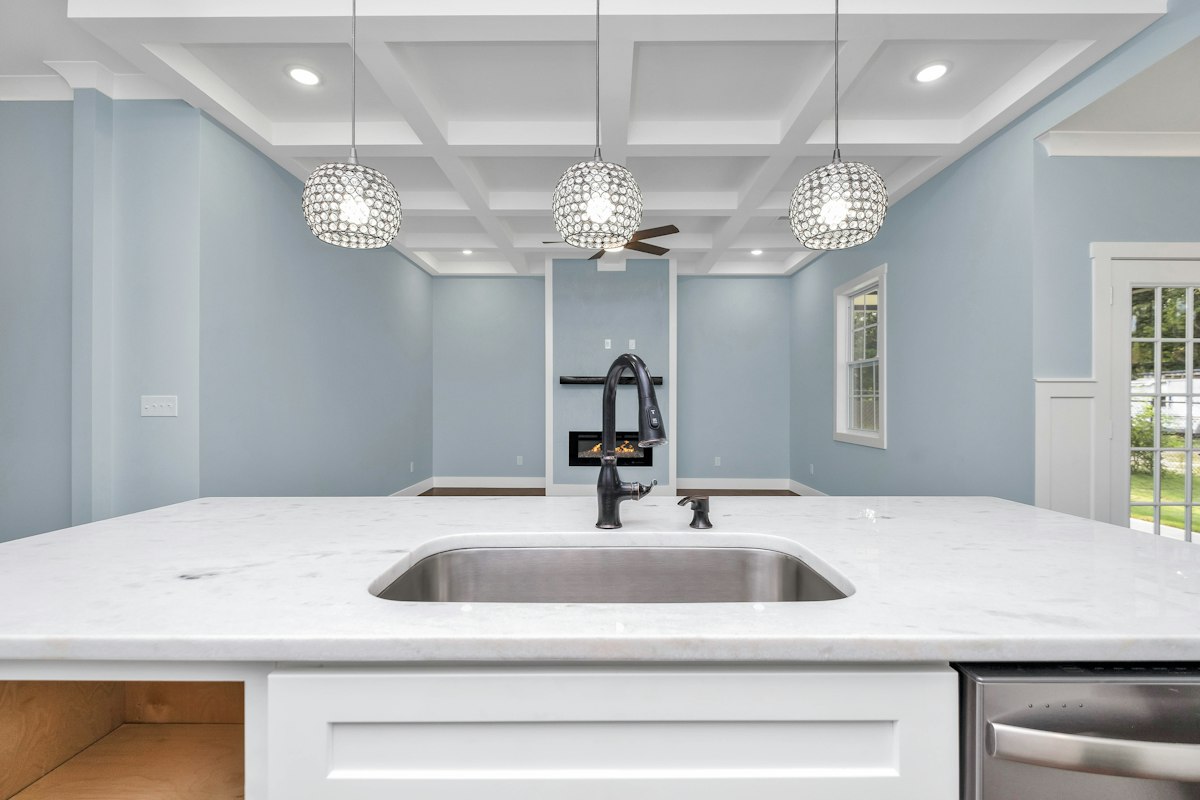
Knowing what stays when selling a house in Lakewood, CO comes down to one document: the purchase contract. In Colorado, anything attached to the home is generally included in the sale unless you exclude it in writing, and a list of common unattached items goes with the house too. Freestanding furniture and decor go with you.
Most sellers never think about this until a buyer asks about the dining room light or the garage fridge. By then, the answer is already set by the contract. Here is how it works, where disputes start, and how to keep what you want without hurting your sale.
The Short Answer: Attached Stays, Loose Goes
The general rule is simple. If an item is bolted, screwed, hardwired, plumbed, or built into the house, it is treated as part of the property. If it plugs into an outlet or sits on the floor, it is usually personal property.
That covers most of the house. Light fixtures, ceiling fans, built-in appliances, cabinets, vanities, mirrors fastened to the wall, and wall-to-wall carpet stay. Couches, rugs, framed art, and lamps go.
The gray areas are where sellers get into trouble. Refrigerators, washers and dryers, TV mounts, sheds, and hot tubs are the items that cause most of the arguments at the final walkthrough.
How the Colorado Contract Decides What Stays
Lakewood sales use the Colorado Real Estate Commission's Contract to Buy and Sell Real Estate (Residential). Section 2.5 lists Inclusions and Section 2.6 lists Exclusions. Read both before you sign anything.
Inclusions: Attached Items
The contract includes items attached to the property on the contract date, unless they are excluded. That list covers lighting, heating, plumbing, ventilating, and air conditioning units, built-in kitchen appliances, floor coverings, mirrors, plants, sprinkler systems and controls, and garage door openers with a stated number of remotes.
Note the phrase on the contract date. If an item is on the wall when the buyer goes under contract, it is part of the deal. Removing it afterward creates a breach problem, not a negotiation.
Inclusions: Items Whether Attached or Not
A second list conveys certain items even if they are not attached. This includes storm windows and doors, window coverings and treatments, blinds, shades, curtain rods, drapery rods, fireplace inserts, screens and grates, heating stoves, storage sheds, smoke and carbon monoxide detectors, and all keys.
Two items on that list surprise sellers the most: storage sheds and window coverings. If you plan to take either, it has to be excluded in writing.
Other Inclusions and Exclusions
The contract also has blank lines for Other Inclusions and Exclusions. This is where you and the buyer spell out anything that does not fit the default lists, such as a refrigerator, a washer and dryer, a hot tub, or a chandelier you are keeping. If it is not written there, the defaults control.
Items That Cause the Most Disputes in Lakewood Sales
Refrigerators, Washers, and Dryers
Freestanding appliances are not automatically included in Colorado. Many Lakewood buyers assume they are, especially in condos and townhomes around Belmar where the fridge was shown in every photo. Decide early whether you are leaving them and state it in the listing and the contract.
TV Mounts and Wall Brackets
A mounted bracket is attached to the wall, so buyers often expect it to stay. If you want it, exclude it and plan to patch and paint the holes. Leaving a wall full of anchor holes at the walkthrough is a quick way to start a fight over a few hundred dollars.
Light Fixtures and Ceiling Fans
A hardwired light fixture stays by default. If you have a family chandelier or a designer pendant you want to take, swap it out before the listing photos are taken. Buyers cannot fall for a fixture they never see.
Sheds, Playsets, and Hot Tubs
Larger lots in Green Mountain, Bear Creek, and Applewood often come with sheds, play structures, and hot tubs. Sheds convey by default under the contract. Hot tubs and playsets can go either way depending on how they are installed, so list them as inclusions or exclusions rather than leaving it to interpretation.
Evaporative Coolers, Water Softeners, and Solar
Many older Lakewood ranches still run swamp coolers. They are cooling units attached to the home, so they stay. Water softeners, security systems, satellite equipment, and solar panels are handled through checkboxes and separate lines for owned versus leased equipment. Leased items need to be identified so the buyer can review and assume the lease.
Smart Home Devices
Smart thermostats, video doorbells, smart locks, and hardwired cameras are attached, so buyers will expect them. If you want to take a device, replace it with a basic version before listing. If you leave it, reset it to factory settings and remove it from your accounts before closing.
How to Keep an Item Without Hurting Your Sale
The cleanest move is to remove and replace before the house goes on the market. Swap the chandelier, take down the mounted TV bracket, and move the garage freezer before photos. What buyers do not see, they do not negotiate for.
If you cannot remove it ahead of time, disclose it. Note the exclusion in the MLS remarks and make sure it is written into the Exclusions line of the contract. The MLS note alone does not bind anyone. The contract does.
Be selective. Excluding a lot of items can make a buyer feel like they are getting less house, which can show up in their offer. Keep the list to what actually matters to you.
Leaving Personal Property Behind
Sometimes a seller wants to leave a washer and dryer, patio furniture, or a garage workbench. That is usually fine, but keep it simple. List the items as inclusions and do not assign them significant dollar value in the purchase price.
Lenders and appraisers value the real estate, not the furniture. If a buyer asks for a large amount of personal property, a separate bill of sale or personal property agreement may be the better route. Talk to your agent before you agree to anything that changes how the price is structured.
The Final Walkthrough: Deliver What You Promised
The contract requires you to deliver the property and inclusions in substantially the same condition as on the contract date, with normal wear and tear expected. Buyers will check that the included appliances are present and working, the light fixtures are still hanging, and the shed is still in the yard.
Before you move out, walk the house with the contract's Inclusions list in hand. Leave remotes, keys, garage openers, appliance manuals, and warranty paperwork on the kitchen counter. It is a small step that prevents last-minute delays at the closing table.
FAQ: What Stays When Selling a House in Lakewood, CO
Do I have to leave my refrigerator when I sell my house in Colorado?
No. A freestanding refrigerator is not a default inclusion in the Colorado contract. It stays only if it is written into the contract as an inclusion. Built-in refrigerators are treated differently because they are attached to the cabinetry.
Can I take my curtains and blinds when I move?
Blinds, shades, window coverings, and curtain and drapery rods are included by default in the Colorado contract, even if they are not attached. If you want to take them, exclude them in writing. Decorative curtain panels are a common negotiation point, so address them up front.
Does my storage shed stay with the house?
Yes, by default. Storage sheds are on the contract's list of items that convey whether attached or not. If you plan to move a shed to your next home, list it as an exclusion before going under contract.
What happens if I remove an item that was included?
The buyer can object at the walkthrough and may ask for the item back, a credit, or a delay in closing. In a worst case, it becomes a contract dispute. It is far easier to exclude the item at the start than to fix it at the end.
Should I list exclusions in the MLS?
Yes. Noting exclusions in the listing sets buyer expectations before showings. It does not replace the contract, though. The exclusion still needs to be written into the purchase agreement to be enforceable.
Ready to Sell in Lakewood?
If you're thinking about selling in Lakewood, call or text me at 720-625-0224 and we'll map your timing. Justin Buller | Realtor, Real Broker | 720-625-0224


