Selling a House With Hail Damage in Lakewood, CO: Roof Claims, Repairs, and Your Options
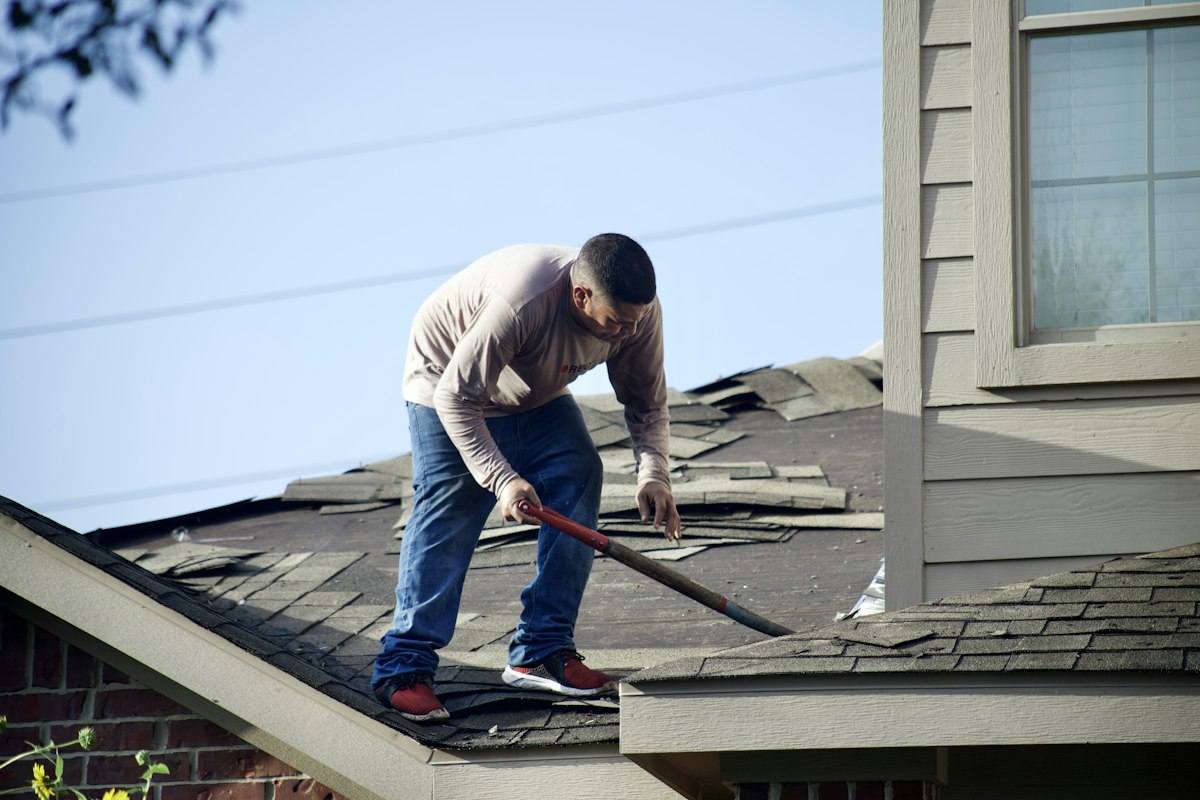
Selling a house with hail damage in Lakewood, CO comes down to three choices: repair the roof before listing, sell with the claim money or a credit, or sell as-is at an adjusted price. The right choice depends on your insurance status, your roof's age, and how buyers' lenders and insurers will react.
Hail is a fact of life on the Front Range. Most Lakewood sellers will deal with a roof question at some point, and a clear plan keeps it from derailing your sale.
Why Hail Damage Matters More in Lakewood, CO
Lakewood sits in one of the most active hail corridors in the country. Many homes here have been through several storms, and buyers know it. Roof condition is one of the first things a buyer's agent asks about.
The roof matters beyond looks. Lenders want a roof with remaining useful life, and insurance companies increasingly price or restrict coverage based on roof age and prior hail claims. A buyer who cannot get affordable homeowners insurance cannot close.
That is why hail damage shows up in negotiations even when the house is otherwise in great shape. A tidy kitchen and a finished basement do not offset a roof that a buyer's insurer will not accept.
Step One: Find Out What You Actually Have
Before you list, get facts. Guessing about the roof costs sellers money in both directions.
Get a roof inspection from a licensed roofer
A roofer can tell you whether you have functional damage, such as bruised or fractured shingles and exposed mats, or cosmetic damage, such as dented flashing, vents, and gutters. The difference matters. Functional damage shortens the roof's life. Cosmetic damage may not affect performance but can still affect insurance.
Ask for photos and a written summary. You will want both for your listing file.
Check your claim history and policy
Pull your policy and look at the roof provisions. Many Colorado policies pay roof claims on an actual cash value basis, which accounts for depreciation, and some carry a separate wind and hail deductible set as a percentage of your home's insured value. Know your deadline to file, because policies limit how long you have after a storm.
Also find out whether a prior claim was paid and whether the roof was ever repaired or replaced. An unrepaired paid claim is a problem you want to understand before a buyer's insurer asks about it.
Your Three Options for Selling With a Damaged Roof
Option 1: Replace the roof before you list
If your claim was approved, or you can afford to move forward, a new roof removes the biggest objection. Buyers see a new roof as a major system they will not have to pay for, and insurers often view it favorably.
The trade-offs are time and cash flow. Roofing schedules stretch after big storms, and you may front costs before the insurance payout arrives. Keep the contractor's warranty paperwork and permit sign-off, because buyers will ask for them.
Option 2: Sell with the claim open or the payout in hand
Some sellers choose not to replace the roof and instead sell with the insurance proceeds, or with the claim still in progress. This can work, but it needs careful handling. The contract should state who keeps the proceeds and who is responsible for completing the work, and the buyer's lender has to agree to the plan.
Expect buyers to treat an unrepaired roof as a repair item. If your payout is in your pocket, you can offer a credit that reflects the work, which gives the buyer room to handle the roof their own way.
Option 3: Sell as-is and price for the roof
If time matters more than top dollar, list the home as-is with the roof condition disclosed and the price adjusted to match. Cash buyers and investors are more comfortable here. Financed buyers may struggle, since some loan programs require a roof with remaining life and an appraiser can flag it.
Pricing needs a real number behind it. Get one or two roofing bids so the discount is based on actual cost, not a guess in either direction.
What Colorado Sellers Must Disclose About the Roof
Colorado's Seller's Property Disclosure asks about the roof, including its age and any known leaks or damage. If you know about hail damage, a past claim, or a repair, answer accurately. Hiding a known roof problem creates real legal exposure after closing.
Disclosure does not have to hurt your price. A seller who hands over the inspection report, the claim documents, and a repair estimate gives buyers confidence and gives their agents fewer reasons to push for a bigger credit. Ask your attorney or title company if you have a specific legal question about your situation.
How Hail Damage Affects Buyer Financing and Insurance
A roof can hold up a loan even after a buyer is under contract. Appraisers note roof condition, and lenders can require repairs or an insurance letter before funding. FHA and VA loans in particular put weight on the roof's remaining life.
Buyers also shop insurance during their inspection period. If a quote comes back high or a carrier declines to cover the roof, you will hear about it fast. Addressing the roof up front, or giving buyers a clear repair credit, keeps that conversation short.
A Practical Timeline for Lakewood Sellers
Start with the inspection about four to six weeks before you want to list. That gives you time to file a claim if needed, collect bids, and decide between repair and credit.
If you are replacing the roof, build the project into your listing date. Photos of a new roof and the warranty paperwork belong in your marketing from day one. If you are selling as-is, list with the inspection report and bids attached so buyers see the full picture.
Be careful with contractors who knock on doors after a storm. Colorado has rules on roofing contracts and insurance deductibles, so read any agreement closely and verify the company's license, local references, and insurance before signing.
Frequently Asked Questions
Do I have to fix hail damage before selling my house in Lakewood, CO?
No. Colorado law does not require you to repair it, but you must disclose damage you know about. Whether to repair depends on your timeline, your claim status, and how buyers' lenders and insurers will respond.
Can I sell my house while a hail claim is still open?
Yes, but the contract needs to spell out who receives the proceeds and who completes the work. Talk with your insurance company and your agent before you accept an offer so there are no surprises at closing.
Will hail damage lower my home's value?
It can, mostly through the cost of the roof and the buyer's reaction to it. A documented repair, a new roof, or a fair credit usually keeps the impact manageable. Unclear or undisclosed damage tends to cost more at the negotiating table.
Should I replace the roof or offer a credit?
A new roof appeals to financed buyers and shortens negotiations. A credit saves you the project and lets buyers choose their own contractor. Compare the real roofing bid against the likely price impact, then decide based on your timeline and cash.
Does the age of my roof matter if there is no hail damage?
Yes. Insurers and lenders look at roof age whether or not a storm hit it. An older roof can raise a buyer's insurance cost even with no visible damage, so a roofer's condition report helps either way.
If you're thinking about selling in Lakewood, call or text me at 720-625-0224 and we'll map your timing. Justin Buller | Realtor, Real Broker | 720-625-0224


