Home Staging When Selling a House in Lakewood, CO: What's Worth the Money
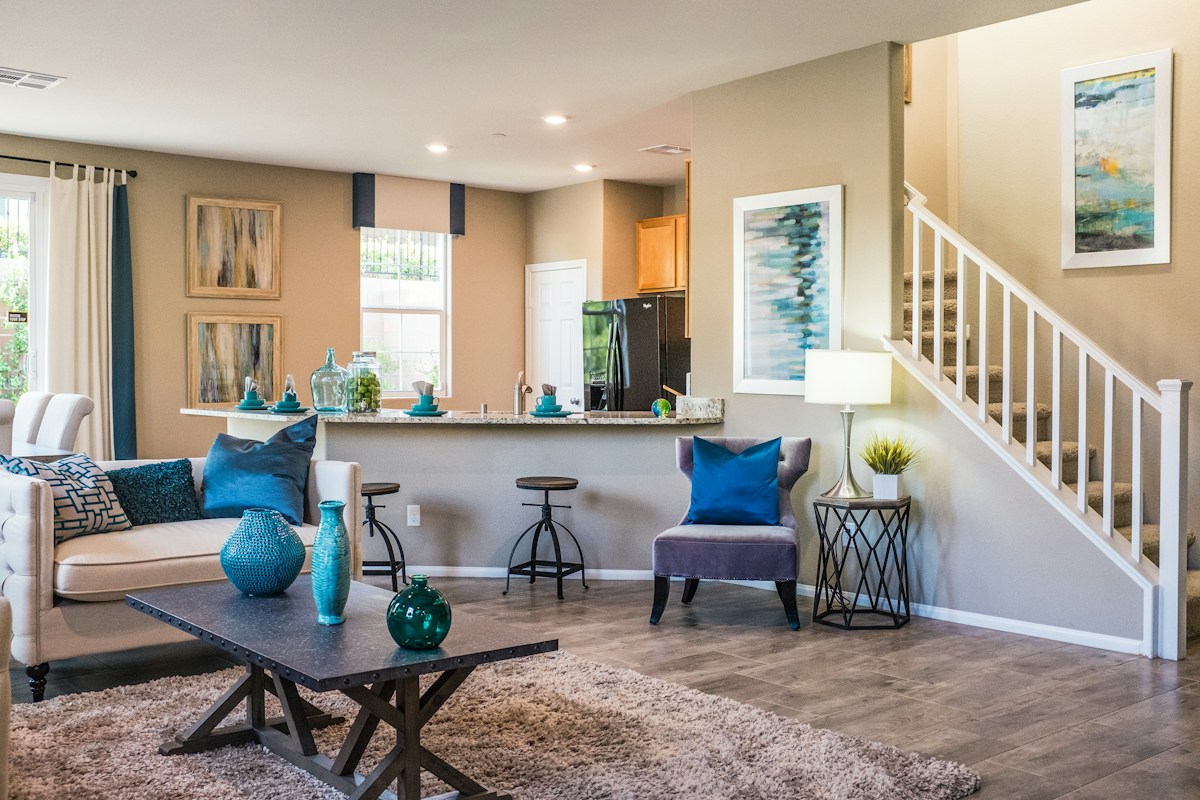
Home staging when selling a house in Lakewood, CO does not have to mean renting a truckload of furniture. For most sellers, the best return comes from staging a few key rooms, clearing clutter, and getting the photos right.
Buyers in Lakewood shop online first. If the listing photos do not show a clean, easy-to-picture home, many of them never make it to a showing. Staging is really about winning that first scroll.
Here is what staging costs, what is worth paying for, and what you can handle yourself before you list.
What Home Staging Actually Means When You Sell in Lakewood
Staging is the work of presenting your home so buyers can picture themselves living in it. It ranges from a free walk-through with advice to a full furnished setup in an empty house.
There are three common levels:
Consultation and DIY Staging
A stager or your agent walks the home, tells you what to move, remove, and rearrange, and you do the work. This is the lowest-cost option and fits most occupied homes.
Partial Staging
A stager brings in select furniture, art, rugs, and lighting for the rooms that matter most, usually the living room, kitchen area, and primary bedroom. Your own furniture covers the rest.
Full Staging for Vacant Homes
If the house is empty, a stager furnishes every main space. Vacant rooms can feel smaller and harder to read in photos, which is why this level is mostly used for empty listings.
What Does Staging Cost in the Denver Metro Area
Pricing varies by stager, home size, and how long the furniture stays in place. A consultation is typically a flat fee in the low hundreds of dollars. Partial and full staging are usually billed as an initial setup fee plus a monthly rental charge, so a slow listing costs more to stage.
Ask every stager for a written quote that spells out the setup fee, the monthly rate, the minimum rental period, and the removal fee. Those four numbers decide the real cost.
Compare that cost against your carrying costs and the price risk of sitting on the market. A home that sells in the first two weeks usually earns closer to its list price than one that sits and needs a price reduction.
Which Rooms to Stage First in a Lakewood Home
If your budget is limited, spend it where buyers look first and longest. That list is short.
Living Room
This is the lead photo in most listings. Define the seating area, keep furniture off the walls only when the room is large enough, and make sure the room shows its natural light.
Kitchen and Dining Area
Clear the counters down to two or three items. Buyers want to see counter space, not small appliances. If the dining area is used as an office or storage, restore it to a table and chairs.
Primary Bedroom
Use a bed with simple, neutral bedding and remove extra furniture so the room reads as spacious. Two matching nightstands and clear floor space go a long way.
Entry and Outdoor Space
First impressions start at the front door. In Lakewood, a clean porch, a tidy yard, and a defined patio or deck matter, especially for homes with mountain views or mature trees that buyers will want to see from outside.
Low-Cost Staging Steps You Can Do Yourself
Most of what makes a staged home look good is subtraction, not addition. Start with these before you spend anything:
Declutter every surface and closet. Packed closets tell buyers the house is short on storage. Remove roughly a third of what is in them and box it up for the move.
Remove personal photos, collections, and anything that makes the house feel like yours instead of theirs.
Deep clean, including windows, baseboards, and light fixtures. Clean reads as well maintained.
Replace burnt-out bulbs and match the color temperature across each room. Bright, consistent light photographs better.
Touch up scuffed paint. If a room needs a full repaint, choose a warm neutral rather than a bold color.
Pack away excess furniture. Most occupied homes have one or two pieces too many for the room.
Staging an Occupied Home vs. a Vacant Home
If you still live in the house, you can usually get strong results with decluttering and rearranging, plus a few rented or borrowed accent pieces. Your furniture is already doing most of the work.
If the house is vacant, the math changes. Empty rooms make it harder for buyers to judge scale, and awkward layouts are more obvious. In that case, staging the living room, kitchen eating area, and primary bedroom usually gives the biggest lift for the money.
One more option for vacant homes is virtual staging, where furniture is added digitally to listing photos. It costs less than physical staging, but it only works if the listing clearly discloses that the images are virtually staged, and buyers may be disappointed at the showing.
Staging Can Help, But Pricing Still Decides the Outcome
Staging improves how a home presents. It does not fix a price that is out of line with the market. A well-staged home listed too high still sits.
The best sequence is to price based on recent comparable sales, then use staging and photography to make sure buyers see the home at its best. Both pieces work together, and neither replaces the other.
Before you spend money, ask your agent which updates comparable homes nearby had when they sold. In some Lakewood neighborhoods, buyers expect updated kitchens and baths and will pay attention to condition. In others, a fresh coat of paint and clean carpets are enough.
A Simple Staging Timeline Before You List
Give yourself two to three weeks if you can. A realistic order looks like this:
Week one: walk-through with your agent, make a repair and paint list, start decluttering and packing.
Week two: deep clean, finish touch-ups, handle landscaping, and bring in any rented furniture or accessories.
Final days: a last walk-through, then professional photos once the house is fully set. Photos should be taken after staging is complete, not before.
Home Staging in Lakewood, CO: Frequently Asked Questions
Is home staging worth it when selling in Lakewood, CO?
For most sellers, some level of staging is worth it, especially decluttering and cleaning, which cost very little. Full furniture staging tends to pay off most in vacant homes and in price ranges where buyers compare many similar listings online.
How much does it cost to stage a house in the Denver area?
Costs depend on the stager, the size of the home, and the length of the rental. Consultations cost the least. Partial and full staging usually include a setup fee plus a monthly rental charge, so request a written quote with the minimum rental period and removal fee.
Do I need to stage if my house is occupied?
Not always. Many occupied homes only need decluttering, deep cleaning, and some rearranging. Your agent can tell you where a stager would add value and where it would not.
Should I stage every room?
No. Focus on the living room, kitchen and dining area, primary bedroom, and entry. These spaces drive most of the buyer reaction in photos and showings.
When should staging be finished?
Before the listing photos are taken. Photos are the first showing, so the home should be fully prepared by photo day.
Next Steps
A good staging plan starts with a walk-through. I can look at your home, point out what to change, and tell you which spending is worth it and which is not.
If you're thinking about selling in Lakewood, call or text me at 720-625-0224 and we'll map your timing. Justin Buller | Realtor, Real Broker | 720-625-0224


