How to Handle Multiple Offers When Selling a Home in Lakewood, CO
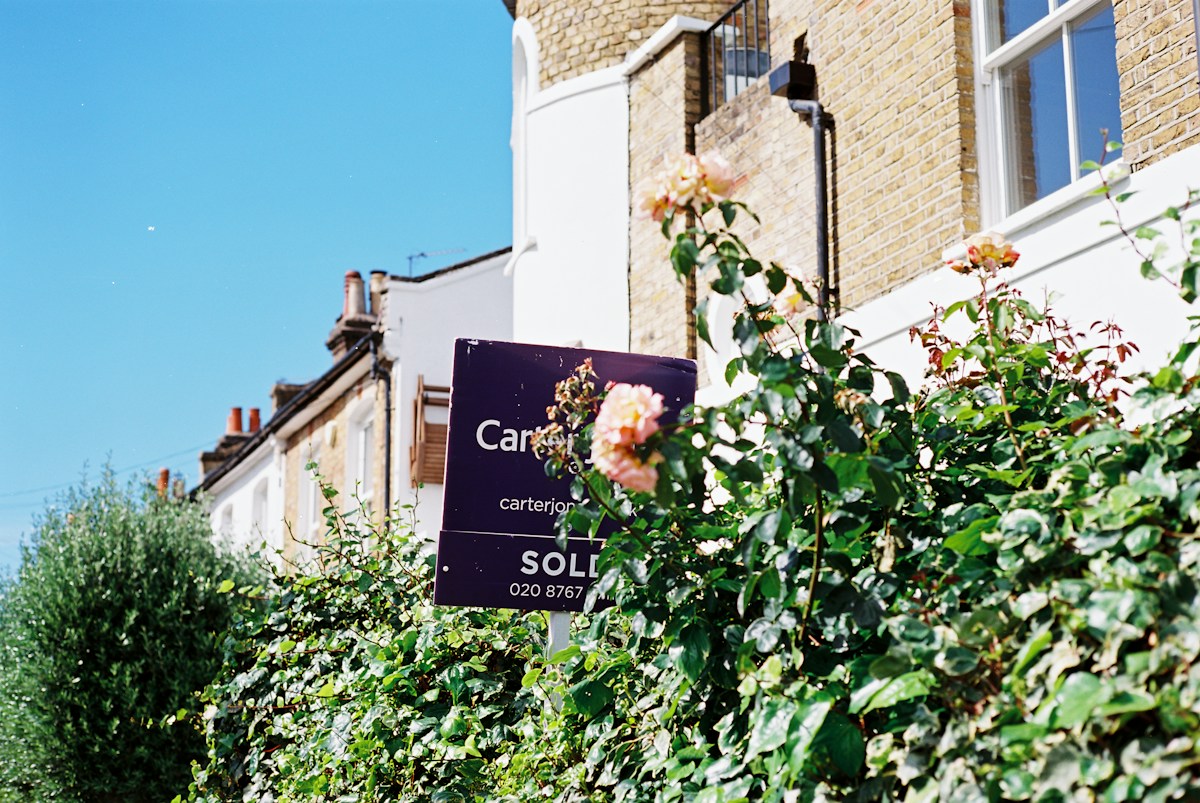
Getting more than one offer on your house sounds like a good problem to have, and most of the time it is. But handling multiple offers when selling a home in Lakewood, CO takes more than picking the biggest number on the page. The offer with the highest price isn't always the one that actually closes.
Lakewood has stayed a competitive market even as the broader Denver metro has cooled. Recent data from Redfin puts roughly a quarter of Lakewood sales above list price, with the typical home going under contract in around three weeks. That's enough activity that well-priced homes in good condition — updated kitchens, a finished basement, a two-car garage, a lot with mature trees — can still draw two, three, or more offers in the first week.
If you're in that position, or hoping to be, here's how to sort through the offers, what to look at besides price, and where sellers tend to go wrong.
Why Multiple Offers Are Still Common in Lakewood
Buyer demand in Lakewood hasn't disappeared, it's gotten more selective. Buyers are still competing hard for homes that show well and are priced accurately for the neighborhood, whether that's a bungalow near Belmar, a ranch close to Green Mountain, or an updated split-level with mountain views from the backyard.
What's changed is that buyers walk away faster from homes that are overpriced or need obvious work. So a multiple-offer situation today usually means the home was priced right, prepped well, and marketed to the right audience — not that the market is simply "hot" across the board.
That distinction matters because it tells you something about the offers you're about to receive. Buyers who are competing for your specific house have usually done their homework. They know what similar homes have sold for, and they've priced accordingly.
What Actually Makes One Offer Stronger Than Another
Price is the first thing every seller looks at, and it should be. But price alone doesn't tell you whether a deal is going to close on time, or at all. A few things separate a genuinely strong offer from one that just looks good on paper.
The Type of Financing
A conventional loan with a solid down payment tends to move more predictably than an FHA or VA loan, not because those loans are worse, but because they come with additional appraisal and inspection requirements that can slow things down or reopen negotiations. A cash offer removes financing risk entirely, which is why cash buyers can sometimes win with a lower number.
The Earnest Money Deposit
A buyer who puts down a larger earnest money deposit, and is willing to make more of it non-refundable at certain points, is signaling that they're serious and financially prepared. A thin deposit on an otherwise strong-looking offer is worth a second look.
The Contingencies
Every contingency — inspection, appraisal, financing, sale of another home — is a point where a deal can fall apart. An offer with fewer contingencies, or contingencies with shorter timelines, generally carries less risk than one loaded with outs, even if the price is slightly higher.
The Closing Timeline
If you need to close fast, or need extra time to move, a buyer's flexibility on the closing date can matter as much as their price. Mismatched timelines have killed more than a few deals that looked perfect on paper.
How to Evaluate Financing and Contingencies
Once you have offers in hand, the real work is comparing them apples to apples, not just scanning for the top price. I usually put together a simple comparison for sellers that lines up each offer's price, loan type, down payment, earnest money, contingencies, and closing date side by side.
A pre-approval letter is a starting point, not proof. Ask your agent to call the buyer's lender directly to confirm the buyer is actually qualified for that loan amount and that underwriting hasn't flagged anything. This step alone weeds out a surprising number of offers that look great until someone checks.
If a buyer includes an appraisal gap guarantee — agreeing to cover some or all of the difference if the home appraises below the offer price — that's a meaningful strength in a market where prices have moved quickly. It protects you from renegotiating after the fact if the appraisal comes in low.
Using an Escalation Clause (and Its Limits)
An escalation clause lets a buyer automatically outbid competing offers up to a set ceiling. On the surface, it sounds like a great way to get the highest possible price without a formal bidding process.
In practice, escalation clauses can create problems. They reveal information about the buyer's ceiling and their view of competing offers, which some buyers and agents are uncomfortable disclosing. They can also lead to disputes if the "competing offer" used to trigger the escalation isn't clearly documented.
If a buyer submits an escalation clause, treat the base offer as the real number for comparison purposes, and talk to your agent about whether accepting it — and at what price — makes sense given the other offers you have. It's rarely the deciding factor on its own.
Best and Final: Running a Deadline the Right Way
When you have multiple offers close in strength, setting a best-and-final deadline is often the cleanest way to move forward. It gives every buyer a fair, equal chance to put their strongest offer forward by a set time, rather than negotiating back and forth with one buyer while others wait.
A few things make this go smoothly. Give buyers enough notice, typically 24 to 48 hours, so their agents and lenders have time to respond. Be clear about what you're asking for beyond price, whether that's contingency flexibility, closing date, or an appraisal gap commitment. And communicate the same information to every buyer's agent, so no one feels like they're competing on an uneven playing field.
Once best-and-final offers come in, you're not obligated to accept any of them, and you're allowed to negotiate further with your top choice if terms need to be worked out. But most sellers find that a well-run best-and-final round produces a clear winner without much additional back-and-forth.
Common Mistakes Sellers Make in a Multiple-Offer Situation
The most common mistake is chasing the highest price without checking whether that buyer can actually close at it. A number on a contract means nothing if financing falls through thirty days in and the home has been off the market that whole time.
The second is dragging out the decision too long. Buyers who are competing for a home expect a relatively quick response. If you sit on offers for days without communicating, you risk losing your strongest buyers to other homes.
The third is failing to counter multiple offers at once when the situation calls for it. If two or three offers are close, in some cases it makes sense to counter each of them simultaneously with the same terms, rather than negotiating with just one. Your agent can advise on when this approach fits Colorado's contract forms and disclosure requirements.
Finally, some sellers overlook the buyer's letter, if one was submitted, and the buyer's agent's reputation for closing deals. Neither should override a careful look at the actual terms, but both can be useful tiebreakers between offers that are otherwise similar.
Frequently Asked Questions
Do I have to accept the highest offer?
No. As the seller, you can accept, counter, or reject any offer for any lawful reason. Price matters, but so does the likelihood the deal actually closes on the terms you need.
How long should I wait before responding to offers?
Most Lakewood sellers respond within 24 to 72 hours of the first offer, either accepting one, negotiating, or setting a best-and-final deadline. Waiting much longer risks losing buyers to other listings.
Can I counter more than one offer at the same time?
Yes, with the right approach. Your agent can help you counter multiple offers on the same or similar terms so each buyer has a fair shot, rather than negotiating exclusively with just one and losing the others.
What if the winning offer's appraisal comes in low?
If the buyer included an appraisal gap guarantee, they've already agreed to cover some or all of that difference. Without one, you and the buyer will need to renegotiate the price, the buyer covers the gap in cash, or the deal may fall through.
Is a cash offer always the best choice?
Not always. Cash removes financing risk, which is valuable, but a strong conventional or VA offer with a solid pre-approval and few contingencies can be just as reliable, sometimes at a meaningfully higher price.
If you're thinking about selling in Lakewood, call or text me at 720-625-0224 and we'll map your timing. Justin Buller | Realtor, Real Broker | 720-625-0224


