Appraisal Gap Coverage in Lakewood, CO: What Buyers Need to Know (2026)
- Justin Buller | Lakewood Real Estate Expert
- Jul 7
- 5 min read
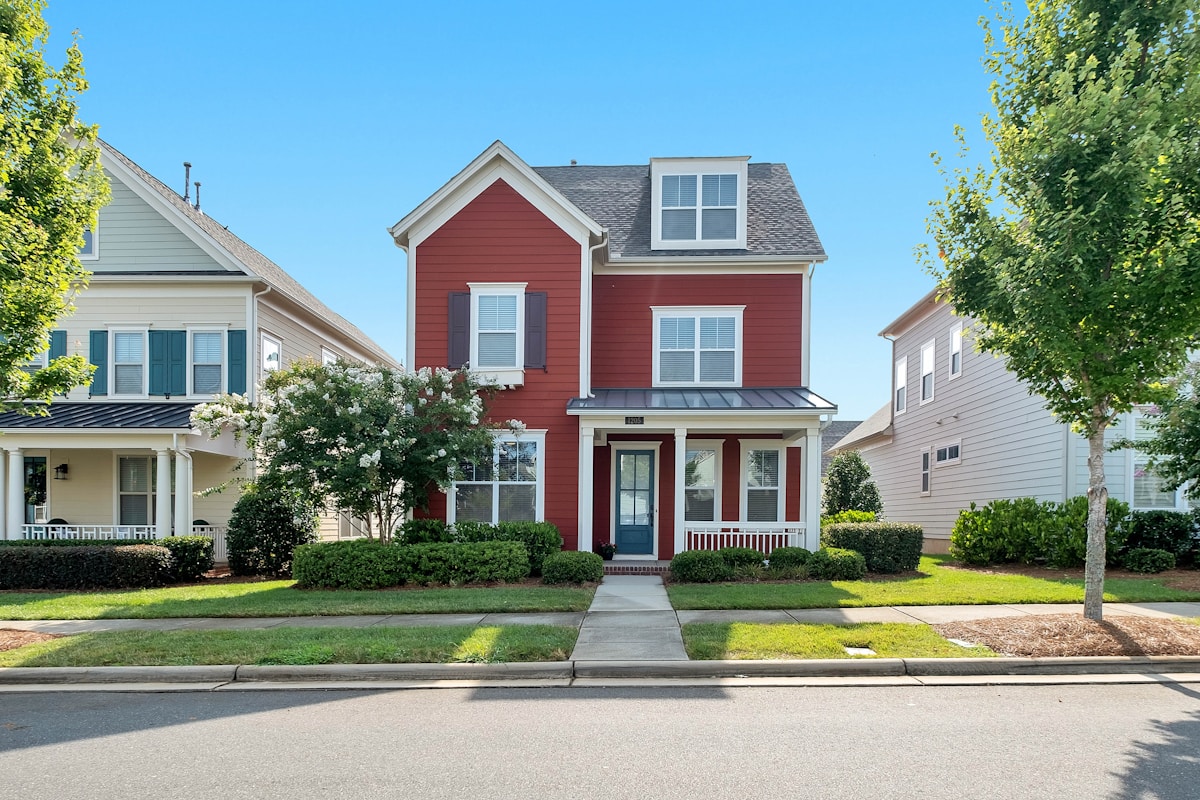
If you're bidding on a home in Lakewood, CO, there's a good chance you'll run into the appraisal gap. Homes here are selling close to list price in about 17 days on average, and roughly a third of them close above the asking price. When a lender's appraisal comes in below your offer, the gap between what you agreed to pay and what the bank will finance falls on you.
Appraisal gap coverage is one way buyers bridge that gap and keep their offer competitive. Understanding how it works, and how much to offer, can be the difference between winning a home and losing it over a few thousand dollars.
What Is an Appraisal Gap?
An appraisal gap happens when your purchase price is higher than the value a licensed appraiser assigns to the home. Lenders base your loan amount on the appraised value, not your offer price. If you offer $625,000 and the home appraises at $605,000, you have a $20,000 gap to cover somehow.
Appraisers rely on recent comparable sales, typically from the last three to six months. In a fast-moving market, prices can outrun the data appraisers have to work with, especially for updated homes or those with mountain views that command a premium.
Why Appraisal Gaps Are Common in Lakewood Right Now
Lakewood's average home value sits around $573,000, and inventory has stayed tight, with roughly 644 homes on the market at last count, down from the year before. Homes here average three offers and sell in about 17 days.
When multiple buyers compete for the same house, offers climb past what recent sales support. More than a third of Lakewood homes sold above list price over the past year. That gap between offer price and appraised value is the direct result of a seller's market with limited inventory.
What Is Appraisal Gap Coverage?
Appraisal gap coverage is a clause you add to your offer that tells the seller you'll cover some or all of the difference if the home appraises below your offer price, in cash, without asking the seller to lower the price.
It signals to the seller that your offer is solid even if the appraisal comes in light. In competitive situations, it can be the deciding factor between two similar offers.
How to Word an Appraisal Gap Clause
A typical clause might read: "Buyer agrees to pay up to $15,000 above the appraised value in the event of a low appraisal." Some buyers cap it at a dollar amount; others agree to cover the full gap regardless of size. Your agent and lender should help you set a number that fits your actual savings, not just what feels competitive in the moment.
Your Options When a Home Appraises Low
A low appraisal isn't the end of the deal. Buyers generally have four paths forward, and the right one depends on your contract terms and how much cash you have available.
Bring Cash to Cover the Gap
This is the most straightforward option if you included gap coverage in your offer. You pay the difference between the appraised value and your offer price out of pocket, since your lender won't finance more than the appraised amount.
Renegotiate with the Seller
You can ask the seller to lower the price to match the appraisal. In a market where inventory is tight, sellers may not budge, but it's worth trying, especially if the appraisal came in well below your offer.
Challenge the Appraisal
Your lender can request a reconsideration of value if your agent finds stronger comparable sales the appraiser may have missed, particularly ones that closed after the appraisal was ordered. This works best when you have solid data, not just a strong opinion about the home's condition.
Walk Away
If your contract includes an appraisal contingency, you can cancel the deal and keep your earnest money. This protects you from being locked into covering a large gap, but it also means losing the home in a market where the next buyer may not hesitate.
How Much Gap Coverage Should You Offer?
There's no set formula, but a reasonable starting point is to look at your available cash beyond the down payment and closing costs. Offering to cover $10,000 to $20,000 above the appraised value is common on homes in Lakewood's price range, though it varies by property and how competitive the listing is.
Avoid offering more gap coverage than you can actually pay. A gap coverage clause is a binding commitment, not a bluff, and backing out over an amount you agreed to cover can put your earnest money at risk.
Pairing Gap Coverage with an Appraisal Contingency
Many buyers combine appraisal gap coverage with a capped appraisal contingency. This means you agree to cover the gap up to a set dollar amount, and if the shortfall exceeds that cap, you can still walk away. It gives sellers confidence in your offer while keeping your own exposure limited.
This structure has become common enough in Lakewood's market that agents on both sides expect to see it in competitive offers.
Work with a Lender Who Handles Competitive Offers Regularly
Not every lender is set up to move quickly when an appraisal comes in low. Ask your lender ahead of time how they handle low appraisals, whether they'll help order a reconsideration of value, and how fast they can confirm your available cash if you need to close a gap.
A local lender familiar with Lakewood's market and comparable sales data tends to move faster than a call-center lender working from out of state.
Frequently Asked Questions
Do I have to offer appraisal gap coverage on every offer?
No. It depends on the property, how many offers are expected, and how competitive the price already is. Your agent can tell you whether a listing is likely to draw multiple offers based on recent activity in that neighborhood.
What happens if I don't have an appraisal contingency?
Without an appraisal contingency, you're obligated to close at your offer price regardless of the appraised value, unless you have another contingency, such as financing, that allows you to exit the contract.
Can I negotiate gap coverage after signing the contract?
The appraisal gap terms are part of your original offer, so they're locked in once the contract is signed. If a low appraisal comes in and your contract doesn't address it, you and the seller will need to negotiate a resolution at that point.
Does gap coverage affect my mortgage approval?
Gap coverage funds come from your own cash, not your loan, so they don't change your loan amount. Your lender will want to verify you have the funds available, similar to how they verify your down payment.
Is gap coverage common outside of Lakewood?
Yes. Appraisal gap coverage has become standard practice across much of the Denver metro area wherever inventory stays tight and multiple offers are common, not just in Lakewood.
Should first-time buyers use gap coverage?
First-time buyers can use gap coverage, but it requires having cash reserves beyond your down payment and closing costs. If your budget is tight, a smaller capped amount or skipping gap coverage on overpriced listings may be the safer path.
If you're thinking about buying in Lakewood, call or text me at 720-625-0224 and we'll map your timing. Justin Buller | Realtor, Real Broker | 720-625-0224


